

7 Common Mistakes in Oral Hygiene and How to Improve Your Routine
You might brush twice a day, but are you brushing too hard? Are you skipping the gumline, rushing through flossing, or using mouthwash as a shortcut instead of a support? These small oral hygiene mistakes often go unnoticed, yet they quietly contribute to tooth decay, gum disease, and long-term dental damage.
Most dental issues don’t appear overnight. They develop slowly, driven by habits that feel harmless at the time. Understanding these common errors and knowing how to correct them can make a significant difference to your oral health, comfort, and confidence in the years ahead. Let’s break down the seven most common oral hygiene mistakes, why they matter, and how you can fix them before they lead to bigger dental concerns.
1. Brushing Too Hard (Or Too Quickly)
This is one of the most misunderstood aspects of oral hygiene. Many people assume that brushing harder equals cleaner teeth. In reality, aggressive brushing does more harm than good.
Brushing too hard can wear down tooth enamel, irritate gums, and expose tooth roots. Over time, this may lead to sensitivity, gum recession, and uneven tooth surfaces.
How to improve your routine:
- Use a soft-bristled toothbrush.
- Apply gentle pressure, imagine massaging, not scrubbing.
- Brush for a full two minutes, allowing time to clean each section properly.
Effective oral hygiene is about technique, not intense brushing.
2. Skipping the Gumline and Inner Surfaces
Many people focus only on the front surfaces of their teeth, especially those visible when they smile. Unfortunately, plaque doesn’t limit itself to visible areas.
The gumline and inner tooth surfaces are where bacteria thrive, leading to gum disease and decay that often goes unnoticed until advanced stages.
How to improve your routine:
- Angle your toothbrush at 45 degrees toward the gumline.
- Clean both outer and inner surfaces thoroughly.
- Pay attention to back molars, where plaque accumulation is common.
Healthy gums are the foundation of long-term oral hygiene.
3. Not Flossing (Or Doing It Incorrectly)
Flossing is often the first habit to be skipped, yet it plays a critical role in oral hygiene. Brushing alone cannot reach between teeth, where plaque and food particles get trapped.
When flossing is inconsistent or rushed, bacteria build up between teeth, increasing the risk of cavities and gum inflammation.
How to improve your routine:
- Floss once daily, ideally before bedtime.
- Gently curve the floss around each tooth instead of snapping it.
- Use floss or interdental brushes based on your dentist’s recommendation.
Consistent flossing protects the areas most likely to need restorative treatments later.
4. Relying Too Heavily on Mouthwash
Mouthwash is helpful but it’s not a replacement for brushing and flossing. Some people use mouthwash as a shortcut, believing it can “wash away” plaque. However, certain mouthwashes can also be harsh if overused, potentially disrupting the natural balance of oral bacteria or causing dryness.
How to improve your routine:
- Treat mouthwash as a supplement, not a substitute.
- Choose alcohol-free options for daily use.
- Use mouthwash after brushing and flossing, not instead of them.
Balanced oral hygiene supports a healthy oral environment rather than masking issues.
5. Ignoring Early Dental Problems
One of the most costly oral hygiene mistakes is waiting until pain appears. Dental issues often begin silently, minor decay, cracked teeth, or gum inflammation may show no immediate symptoms.
Delaying treatment can allow problems to progress, sometimes requiring procedures such as dental crowns and bridges to restore damaged teeth.
How to improve your routine:
- Schedule regular dental check-ups, even if everything feels fine.
- Address sensitivity, bleeding gums, or persistent bad breath early.
- Understand that prevention is always simpler than repair.
Early care protects both your oral health and your long-term dental investment.
6. Neglecting Care for Restorations and Treatments
Patients with dental veneer, dental implants, or dental crown and bridges sometimes assume these restorations don’t need the same level of care as natural teeth.
While these treatments are durable, the surrounding gums and supporting teeth still require excellent oral hygiene to prevent complications.
How to improve your routine:
- Clean around restorations carefully using floss or special brushes.
- Avoid biting hard objects that may damage veneers or crowns.
- Attend follow-up appointments to ensure restorations remain secure and healthy.
Good oral hygiene protects both natural teeth and dental work alike.
7. Overlooking Lifestyle Habits That Affect Oral Health
Oral hygiene doesn’t end at oral measures. Diet, hydration, stress, and habits like smoking or frequent snacking all impact dental health.
Sugary foods, acidic drinks, and constant grazing feed harmful bacteria, increasing the risk of decay and gum disease even if brushing is regular.
How to improve your routine:
- Drink water regularly to support saliva production.
- Limit sugary snacks and acidic beverages.
- Avoid smoking, which significantly increases oral health risks.
A holistic approach strengthens your oral hygiene routine beyond brushing alone.
Final Thoughts
Oral hygiene is not about perfection, it’s about consistency, awareness, and informed habits. Many dental problems stem from small, repeated mistakes that quietly build over time.
By refining your routine, paying attention to early signs, and understanding how daily habits affect your teeth and gums, you can protect your smile for years to come.
Strong oral hygiene today reduces the need for complex treatments tomorrow.
Take the Next Step Toward Better Oral Health
At Rouse Hill Smiles Dental Care, we believe prevention and education are just as important as treatment. Whether you’re reviewing your oral hygiene routine or caring for existing dental work, our team is here to help.
Book a consultation today to receive personalised guidance and professional care designed to keep your smile healthy, confident, and long-lasting.
Frequently Asked Questions
1. How often should I brush my teeth for proper oral hygiene?
You should brush at least twice a day for two minutes each time using a soft-bristled toothbrush and fluoride toothpaste.
2. Is flossing really necessary if I brush well?
Yes. Flossing removes plaque and food debris from areas your toothbrush cannot reach, making it essential for complete oral hygiene.
3. Can poor oral hygiene affect dental implants?
Yes. While dental implants do not decay, poor oral hygiene can lead to gum infections that compromise implant stability.
4. How should I care for dental veneer treatments?
Dental veneer care includes gentle brushing, daily flossing, and avoiding habits like teeth grinding or biting hard objects.
5. Do dental crowns and bridges require special cleaning?
Yes. Areas around crowns and bridges should be cleaned carefully using floss or interdental tools to prevent plaque buildup.
6. Is mouthwash enough to maintain oral hygiene?
No. Mouthwash supports oral hygiene but cannot replace brushing and flossing.
7. How often should I visit the dentist for preventive care?
Most patients benefit from dental check-ups every six months, though your dentist may recommend a different schedule based on your needs.

Our Principal Dentist
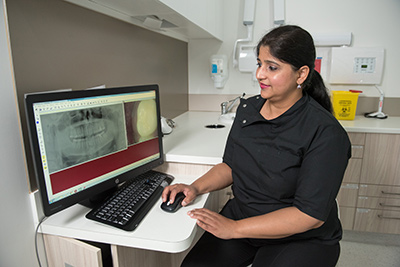
Dr. Teena and the Rouse Hill Smiles team are dedicated to providing patients of all ages with the highest quality of care.

Dr. Teena Bali
Dentist
Quick Contacts
- Rouse Hill Plaza G07-G08, 2-4 Aberdour Avenue Rouse Hill, NSW 2155
- enquiries@rousehillsmilesdentalcare.com.au
- (02) 8320 0548





- Copyright 2026 Rouse Hill Smiles Dental Care