


How Often Should You Really Visit the Dentist?
The age-old adage of visiting the dentist twice a year has been ingrained in our minds. But is this a one-size-fits-all approach? The truth is, the frequency of your dental check-ups depends on several factors, including your overall oral health, lifestyle, and medical conditions.
Moreover, when it comes to personal health and wellness, dental care often takes a backseat to other medical concerns. However, maintaining good oral health is crucial not only for a bright smile but also for overall well-being.
The Importance of Preventive Dental Care
Getting regular dental exams is essential to preserving good oral health. These visits allow your dentist to detect potential issues early on, when treatment is often simpler and less invasive. Preventive dental care includes:
The Standard Recommendation
The general guideline promoted by most dental professionals is to visit the dentist twice a year, or every six months, for routine check-ups and cleanings. This recommendation has been the standard for decades and is based on the premise that regular preventive dental care can catch potential issues early, before they develop into more serious problems.
During these bi-annual visits, your dentist will typically:
- Perform a thorough examination of your teeth, gums, and mouth
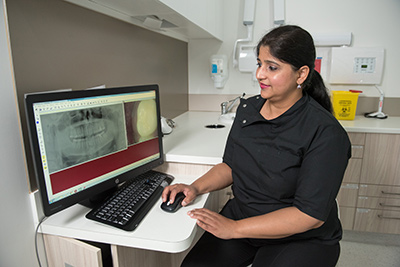
- Take X-rays to detect any hidden issues
- Clean your teeth to remove plaque and tartar buildup
- Polish your teeth to remove surface stains
- Provide personalised advice on oral hygiene practices
Factors Influencing Visit Frequency
The Importance of Preventive Dental Care
Regardless of how often you visit the dentist, the importance of preventive dental care cannot be overstated. Regular dental check-ups are a cornerstone of preventive care, offering numerous benefits:
Finding the Right Dentist
For many people, the convenience of a nearby dental office can make a significant difference in maintaining regular visits. When searching for a “dentist near me,” consider the following:
- Location: Choose a dentist with a convenient location, whether it’s close to your home or workplace.
- Office Hours: Ensure the dentist’s office hours align with your schedule.
- Services Offered: Look for a dental practice that offers a wide range of services, including preventive care, restorative treatments, and cosmetic procedures.
- Technology: Modern dental technology can make treatments more effective and comfortable.
- Reviews and Recommendations: Read online reviews and ask for recommendations from friends and family.
- Insurance: If you have dental insurance, check if the dentist is in-network to maximise your benefits.
Remember: While general recommendations suggest dental check-ups every six months, the best frequency for you is determined by your individual needs. Consulting with your dentist is crucial to establish a personalised dental care plan.
If you experience any of the following symptoms, it’s essential to schedule an appointment with your dentist:
- Persistent mouth sores
- Bleeding gums
- Tooth pain
- Jaw pain
- Difficulty chewing or swallowing
- Changes in your bite
- Loose teeth
- Bad breath
Emergency Dental Care
While regular check-ups are crucial, sometimes dental emergencies arise that require immediate attention. Knowing how to handle these situations and having access to an emergency dentist can make a significant difference in preserving your oral health.
Common dental emergencies include:
- Severe toothache
- Knocked-out tooth
- Cracked or chipped tooth
- Lost filling or crown
- Abscess or swelling
In these situations, it’s important to have the contact information for an emergency dentist readily available. Many dental practices in Sydney and other major cities offer emergency services or have arrangements with emergency dental clinics.
When faced with a dental emergency:
- Contact your dentist or an emergency dental service immediately.
- Follow any first-aid advice given over the phone.
- If bleeding is involved, apply gentle pressure with a clean cloth.
- For a knocked-out tooth, try to reinsert it or keep it moist in milk or saliva until you can see a dentist.
The Role of Home Care
While regular dental visits are essential, they should complement, not replace, good home oral care. Your daily habits play a crucial role in maintaining your oral health between dental visits:
- Brush twice daily with fluoride toothpaste.
- Floss at least once a day.
- Use an antiseptic mouthwash.
- Maintain a balanced diet low in sugary and acidic foods.
- Avoid tobacco products.
- Replace your toothbrush every three to four months.
Dental Care in Sydney
For those living in or visiting Sydney, the city offers a wide range of dental care options. From general dentistry to specialised treatments, finding a “dentist Sydney” that meets your needs should be relatively straightforward. Many dental practices in Sydney offer extended hours, weekend appointments, and emergency services to accommodate busy schedules and unexpected dental issues.
When choosing a dentist in Sydney, consider:
- Location within the city
- Specialties offered
- Patient reviews and testimonials
- Technology and techniques used
- Multilingual services, if needed
So, how often should you really visit the dentist? While the standard recommendation of twice-yearly visits is a good starting point, the true answer depends on your individual oral health needs and risk factors. The best approach is to establish a relationship with a trusted dentist who can assess your specific situation and recommend an appropriate visit schedule.
Remember, regular dental visits are an investment in your overall health and well-being. By prioritising preventive dental care, staying alert to potential emergencies, and maintaining good home oral hygiene, you can enjoy a healthy smile for years to come. Whether you’re searching for a “dentist near me” for routine check-ups or need an emergency dentist in Sydney, taking proactive steps to care for your oral health is always a wise decision.
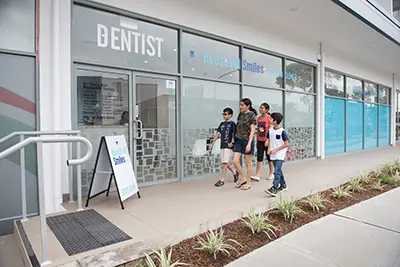
Ultimately, the goal is to find a balance that ensures optimal oral health while fitting into your lifestyle and budget. By working closely with your dentist and being attentive to your oral health needs, you can determine the ideal frequency of dental visits that works best for you. You can visit Rouse Hill Smiles Dental Care to get the best oral care for your next appointment.

Our Principal Dentist
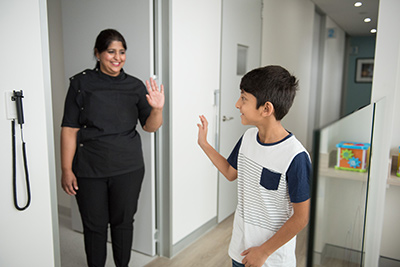
Dr. Teena and the Rouse Hill Smiles team are dedicated to providing patients of all ages with the highest quality of care.

Dr. Teena Bali
Dentist
Quick Contacts
- Rouse Hill Plaza G07-G08, 2-4 Aberdour Avenue Rouse Hill, NSW 2155
- (02) 8320 0548



- Copyright 2026 Rouse Hill Smiles Dental Care
