

Dental Erosion Prevention Made Simple: What You Can Do
Dental erosion is one of those problems that often sneaks up on people. Your teeth don’t usually hurt at first. They just start to look a little dull, feel a little sensitive, or react differently to foods and drinks. And before you realise it, the protective enamel that keeps your teeth strong has slowly worn away.
The good news? Dental erosion is preventable and even if it has already started, there’s a lot you can do to slow it down, protect your enamel, and keep your teeth strong. At Rouse Hill Smiles Dental Care, we see firsthand how small everyday habits can either protect your enamel or wear it down without you noticing. That’s why this guide breaks everything down simply: what causes erosion, how to prevent it, and what you can change today to protect your teeth for the long run.
What Exactly Is Dental Erosion?
Dental erosion happens when acids wear away the outer layer of your teeth, the enamel. Unlike decay caused by bacteria, erosion is caused directly by acid from food, drinks, stomach acid, or even dry mouth.
Once enamel wears away, it cannot grow back, which is why prevention is the most powerful tool you have.
Erosion can affect people of all ages, but it is especially common in:
- Soft drink and energy drink users
- Patients with reflux or frequent vomiting
- People who snack often
- Those with dry mouth
- People who brush too hard after acidic foods
Understanding what damages enamel is the first step to protecting it.
Common Causes of Dental Erosion
Acidic Drinks
Soft drinks, fruit juices, lemon water, energy drinks, kombucha, alcohol mixers they all lower the pH in your mouth and soften enamel.
Acid Reflux and Medical Issues
Stomach acid entering the mouth repeatedly can cause severe erosion. People with reflux, pregnancy-related vomiting, or eating disorders have a much higher risk.
Frequent Snacking
Constant grazing keeps the mouth acidic, giving enamel little time to recover.
Dry Mouth
Saliva naturally neutralises acids. When saliva is reduced (due to medications or dehydration), erosion progresses faster.
Brushing at the Wrong Time
Brushing immediately after acidic drinks can actually scrub softened enamel away.
What You Can Do Today to Prevent Dental Erosion
You don’t need complicated routines or expensive products. Preventing dental erosion comes down to consistent, simple habits.
1. Limit Acidic Drinks (or Change How You Drink Them)
You don’t have to give up everything you enjoy just change how you consume it.
Try:
- Drinking acidic drinks in one sitting instead of sipping for hours
- Using a straw for fruit juices or soft drinks
- Having water afterward to rinse away acids
Your teeth spend less time in an acidic environment meaning less enamel loss.
2. Rinse, Don’t Brush, After Acid Exposure
If you’ve just had something acidic, such as a soft drink, fruit juice, lemon water, or even wine, the enamel on your teeth temporarily softens. Brushing straight after may feel like the right thing to do, but it can actually scrub away this softened layer and speed up dental erosion.
Instead, rinse your mouth with plain water and give your enamel time to recover. Chewing sugar-free gum can also help, as it stimulates saliva, allowing your mouth to naturally neutralise acids. After about 30 minutes, once the enamel has re-hardened, you can brush safely. This simple shift in timing protects your enamel far more than most people realise.
3. Strengthen Your Enamel with Fluoride
Fluoride is one of the most effective defenses you have against erosion. It helps the tooth surface remineralise, making enamel stronger and more resistant to acid attacks.
Using a fluoride toothpaste daily is a good start, but your dentist might also recommend a fluoride mouth rinse or even a higher-strength fluoride treatment if erosion is already visible. These small additions to your routine can make your enamel harder, smoother, and far more protected over time.
4. Improve Saliva Flow
Saliva is your mouth’s natural buffer. It washes away food particles, neutralises acids, and provides the minerals your enamel needs to stay healthy. When saliva levels drop due to dehydration, medication, stress, or caffeine erosion accelerates.
Drinking plenty of water throughout the day is an easy way to help. Chewing sugar-free gum also promotes saliva flow, giving your enamel extra protection. If you struggle with dry mouth or take medications that cause it, your dentist can suggest specialised gels or rinses that keep your mouth moist and help safeguard your teeth.
5. Adjust How You Brush
Many people brush with the best intentions but end up damaging their enamel simply by brushing too hard. Vigorous scrubbing can wear down enamel and irritate your gums. Gentle brushing is far more effective.
Use a soft-bristled toothbrush and hold it lightly, guiding it in small circular motions along the gumline and tooth surfaces. The goal is not to force its consistency and technique. With the right approach, brushing cleans your teeth without eroding them.
6. Tackle Underlying Conditions
Sometimes the cause of dental erosion isn’t diet or brushing habits, it’s an underlying health issue. Acid reflux, frequent vomiting, and chronic dry mouth expose teeth to acids repeatedly, which quickly wears down enamel. In these cases, prevention starts with treating the root cause.
Your dentist may work with your GP or specialist to manage reflux, adjust medications, or recommend lifestyle changes that reduce acid exposure. Addressing these underlying issues not only protects your enamel but also improves your overall oral and general health.
How Dental Erosion Affects Other Dental Treatments
Erosion doesn’t just affect natural teeth. It also impacts treatments like a dental veneer, dental implants, or dental crowns and bridges.
Dental Veneers
Eroded enamel reduces the bonding surface for veneers. This can affect strength, fit, and longevity. Preventing erosion keeps veneer results stable and long-lasting.
Dental Implants
Implants themselves don’t decay, but the gums and bone around them do respond to acid, inflammation, and poor oral health. Good enamel and gum habits keep the surrounding structures healthy.
Dental Crowns and Bridges
Crowns rely on strong underlying tooth structure. If erosion continues, it can compromise that foundation and reduce how long crowns or bridges last.
Protecting enamel protects your entire mouth, natural teeth and dental work included.
What Happens If Dental Erosion Goes Untreated?
Erosion doesn’t stop on its own. Without intervention, it leads to:
- Increased sensitivity
- Thinning enamel
- Yellowish appearance (dentin showing through)
- Sharp, worn edges
- Cracks in teeth
- Higher risk of breakage
- Difficulty eating cold or acidic foods
- More extensive and costly treatments later
The earlier you act, the easier erosion is to manage.
Professional Treatments for Dental Erosion
Treatment depends on how advanced the erosion is.
Early Stage
Your dentist may recommend:
- Fluoride applications
- Bite analysis
- Protective sealants
- Diet and habit modifications
Moderate Stage
Restorative options like composite bonding can replace lost enamel and protect exposed areas.
Advanced Stage
Severe enamel loss may require:
- A dental veneer
- Dental crowns
- Reinforcement using dental crowns and bridges
- In some cases, combined restorative and occlusal treatment
This restores function, shape, and comfort while protecting what remains.
When to See a Dentist About Dental Erosion
Book an appointment if you notice:
- New or worsening sensitivity
- Teeth looking more yellow
- Rough or thin edges
- Small notches near the gumline
- A change in tooth shape
Catching erosion early prevents larger interventions later.
Final Thoughts
Dental erosion doesn’t have to be scary or complicated. With the right daily habits and early dental support, you can protect your enamel, keep your teeth strong, and avoid major restorative work later. And if erosion has already begun, your dentist can guide you through simple, effective steps to stop it from getting worse.
Healthy enamel isn’t just about looks, it protects your smile for life.
If you’re worried about dental erosion or want to protect your enamel for the long run, we’re here to help. Book a visit at Rouse Hill Smiles Dental Care and get personalised advice for keeping your smile strong and healthy.
FAQs About Dental Erosion
What are the early signs of erosion?
Early signs include tooth sensitivity, dull or flattened surfaces, yellowing, and slight roughness near the edges. These symptoms often appear before pain or visible damage.
What does dental erosion feel like?
It may feel like a sharp sensitivity to cold foods, acidic drinks, or sweets. Some people experience a “zing” sensation when brushing, or a general feeling of thinness in the enamel.
How is dental erosion diagnosed?
Your dentist will check for enamel thinning, translucency, cupping on chewing surfaces, and enamel loss patterns. Photos, bite assessments, or sensitivity tests may also be used to confirm the diagnosis.

Our Principal Dentist
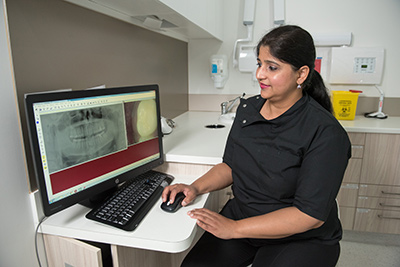
Dr. Teena and the Rouse Hill Smiles team are dedicated to providing patients of all ages with the highest quality of care.

Dr. Teena Bali
Dentist
Quick Contacts
- Rouse Hill Plaza G07-G08, 2-4 Aberdour Avenue Rouse Hill, NSW 2155
- enquiries@rousehillsmilesdentalcare.com.au
- (02) 8320 0548




- Copyright 2026 Rouse Hill Smiles Dental Care