


Bad Breath After Brushing? Discover the Common Causes and Solutions
Many people experience bad breath after brushing even when they follow a regular oral hygiene routine. Brushing your teeth twice daily helps remove plaque and food particles, but it may not always clean every area where bacteria can collect. The tongue, spaces between teeth, and gum line can still contribute to ongoing breath concerns.
Fresh breath depends on more than just brushing. Factors such as gum health, saliva production, dental hygiene habits, and regular dental care all play an important role If your breath does not feel fresh shortly after brushing, understanding the possible reasons can help you make informed decisions about your oral health.
At Rouse Hill Smiles Dental Care, patients receive professional dental guidance to understand possible causes of breath concerns and improve their daily oral care routine.
Why Does Breath Not Feel Fresh After Brushing?
One of the common reasons for bad breath after brushing is bacteria remaining in areas that are difficult to clean with a toothbrush alone. While brushing removes bacteria from tooth surfaces, it may not fully remove buildup from the tongue, between teeth, or around the gums.
The tongue is one of the most common areas where bacteria can collect. Its textured surface can trap food particles and bacteria, which may contribute to unpleasant odours. Adding gentle tongue cleaning to your daily routine can support a cleaner mouth.
Flossing or using suitable interdental cleaning methods is also important. Food particles trapped between teeth can encourage plaque buildup and affect breath freshness, even when you brush regularly.
Common Reasons for Breath Concerns After Brushing
Several factors can contribute to ongoing breath concerns. Understanding these causes can help you identify whether simple changes to your routine or professional dental advice may be needed.
1.Bacteria and Tongue Buildup
Many people focus only on their teeth when brushing and forget about their tongue. Bacteria collected on the tongue can produce compounds that create unpleasant smells.
Cleaning your tongue regularly, drinking enough water, and maintaining good oral hygiene habits can help reduce bacterial buildup and support fresher breath.
2.Plaque Between Teeth
Plaque is a sticky layer of bacteria that naturally forms on teeth throughout the day. When plaque is not removed effectively, it can contribute to tooth decay, gum problems, and breath concerns.
The areas between teeth are often missed during brushing. Regular flossing and professional dental cleaning can help remove buildup that daily brushing may not reach.
3.Gum Health Concerns
Healthy gums are an important part of maintaining a healthy smile. When bacteria collect around the gum line, they may cause inflammation and contribute to bad breath after brushing.
Common signs that your gums may need attention include:
- Bleeding while brushing or flossing
- Red or swollen gums
- Gum sensitivity
- Persistent unpleasant breath
If you notice these symptoms, a dental check-up can help identify possible causes and provide suitable recommendations for your oral health needs.
4.Dry Mouth
Saliva plays an important role in keeping your mouth clean by washing away food particles and helping control bacteria. When saliva production decreases, bacteria can increase and contribute to breath concerns.
Dry mouth may occur due to dehydration, certain medications, or sleeping habits. Drinking enough water and discussing ongoing dryness with a dental professional can help you understand possible contributing factors.
5.Lifestyle and Dietary Factors
Certain foods and drinks can temporarily affect breath freshness. Coffee, strong spices, and some high-protein foods may leave noticeable odours.
Smoking and tobacco use can also affect oral health and contribute to ongoing breath concerns. Maintaining healthy lifestyle habits alongside regular dental care can support better oral hygiene.
Can Good Brushing Habits Still Lead to Breath Concerns?
Yes. Many people experiencing bad breath after brushing already follow good brushing habits. The issue is not always related to brushing frequency. Sometimes, the cause may be linked to areas that require additional attention.
Using the correct brushing technique, replacing your toothbrush regularly, cleaning between teeth, and attending dental appointments can all support a healthier mouth.
It is also important to remember that breath concerns can sometimes be connected to dental issues such as gum disease, tooth decay, or plaque buildup. A professional assessment can help identify possible factors affecting your oral health.
How to Maintain Fresh Breath and Better Oral Hygiene
Improving breath freshness involves a combination of daily care habits and professional dental support.
Helpful steps include:
- Brush your teeth twice daily using proper technique
- Clean your tongue regularly
- Floss or use suitable interdental cleaning tools
- Drink enough water throughout the day
- Maintain regular dental check-ups
- Avoid allowing food particles to remain between teeth for long periods
These habits support overall oral health and help reduce factors that may contribute to unpleasant breath.
When Should You See a Dentist?
If breath concerns continue despite following good oral hygiene habits, it may be worth speaking with a dental professional. Ongoing breath issues can sometimes indicate concerns that require further assessment.
A dentist can examine your teeth, gums, and overall oral condition to understand possible causes. Based on the assessment, they can provide guidance about suitable treatment or preventive care options.
For patients experiencing bad breath after brushing in Rouse Hill, choosing a nearby dental clinic can make regular check-ups more convenient. Local dental care allows patients and families to receive ongoing support while maintaining their oral health routine.
Dental Care for Rouse Hill and Nearby Suburbs
Many families from Rouse Hill, Beaumont Hills, Kellyville, North Kellyville, and surrounding areas look for accessible dental care close to home. Having a trusted local dental provider can make it easier to attend regular appointments and address concerns before they become more complex.
Rouse Hill Smiles Dental Care focuses on preventive dentistry and patient education, helping individuals understand their oral health needs. The team provides guidance for concerns such as gum health, routine dental care, and ongoing breath issues.
For those experiencing bad breath after brushing in Beaumont Hills, a dental consultation can help identify possible causes and discuss suitable care options based on individual needs.
Ongoing breath concerns can be easier to understand with professional advice, helping you maintain better oral hygiene habits and overall dental health. Regular dental visits, combined with daily care at home, can contribute to a healthier mouth.
Rouse Hill Smiles Dental Care provides dental support for patients looking for guidance with preventive care and general oral health concerns. Book a consultation to discuss your concerns and receive advice suited to your needs.
Frequently Asked Questions
Why do I still have bad breath after brushing?
Brushing removes bacteria from many areas of the mouth, but bacteria can remain on the tongue, between teeth, or around the gums. Other factors such as dry mouth and gum concerns may also contribute.
Can gum disease cause bad breath?
Yes, gum problems can contribute to unpleasant breath because bacteria around the gums may affect oral freshness. Regular dental care can help monitor and maintain gum health.
Does cleaning my tongue help with breath concerns?
Yes. The tongue can collect bacteria and food particles, so gentle tongue cleaning may support fresher breath as part of a complete oral hygiene routine.
When should I visit a dentist for ongoing breath issues?
If breath concerns continue despite good brushing and cleaning habits, a dental check-up can help identify possible causes and provide personalised guidance.
Take the Next Step Towards Better Oral Health
Brushing is an essential part of dental care, but maintaining fresh breath requires attention to your complete oral health routine. Understanding the reason behind ongoing breath concerns can help you make informed decisions about your dental care.

Our Principal Dentist
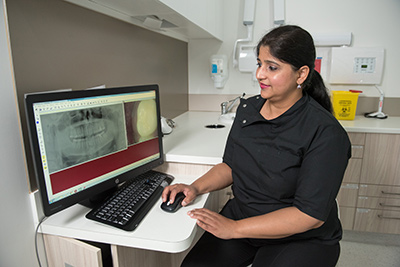
Dr. Teena and the Rouse Hill Smiles team are dedicated to providing patients of all ages with the highest quality of care.

Dr. Teena Bali
Dentist
Quick Contacts
- Rouse Hill Plaza G07-G08, 2-4 Aberdour Avenue Rouse Hill, NSW 2155
- (02) 8320 0548





- Copyright 2026 Rouse Hill Smiles Dental Care
